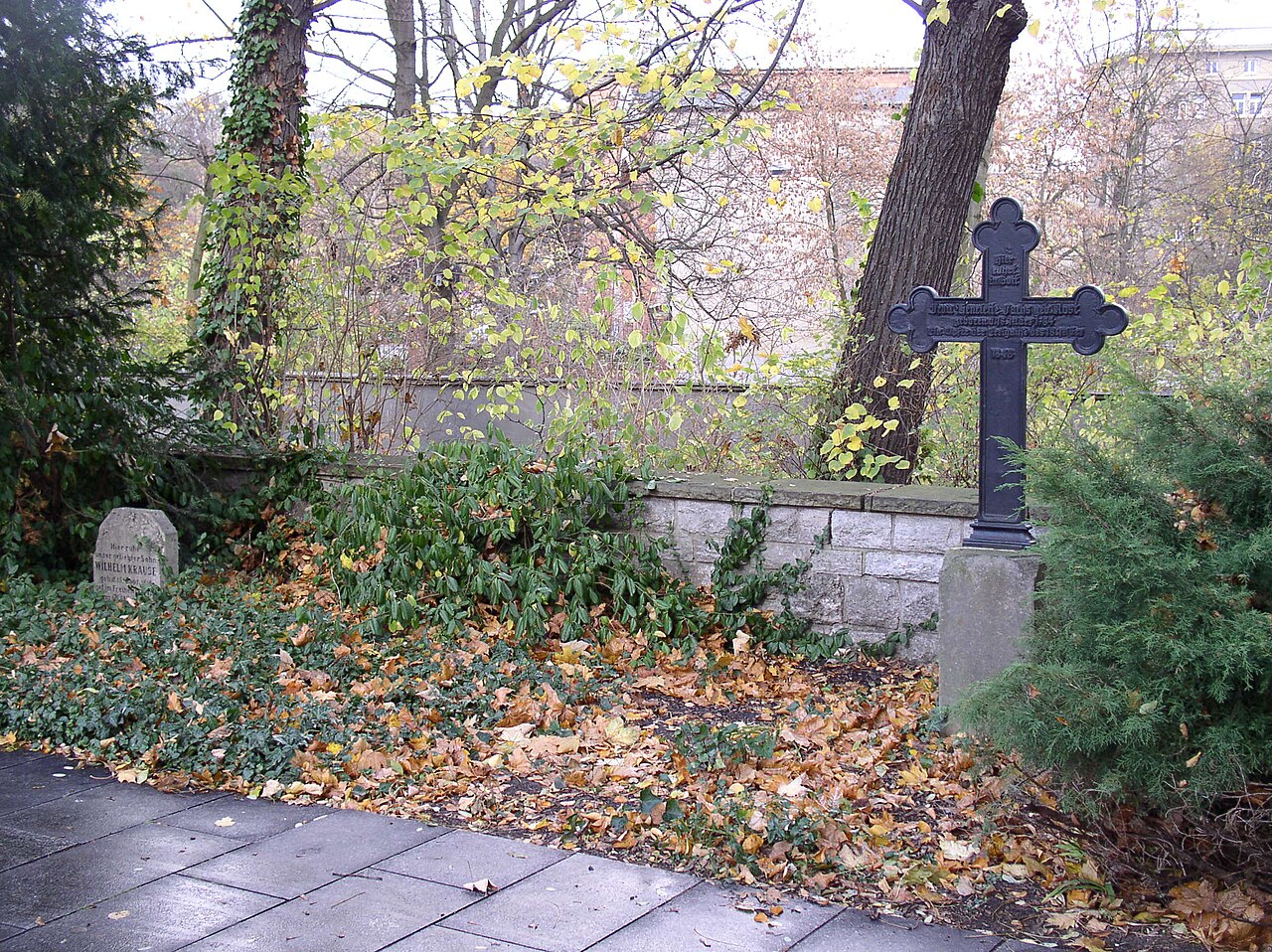
Discover Friedhof der Märzgefallenen: Exhibitions and Events
Berlin's storied landscape is replete with sites that whisper tales of its tumultuous past, but few resonate with the quiet power and enduring relevance of the
Friedhof der Märzgefallenen: Berlin's Revolutionary Memorial. More than just a final resting place, this historic cemetery in Friedrichshain Park serves as a vibrant educational institution and a dynamic hub for public engagement. It's a place where the echoes of revolution are not merely preserved but actively brought to life through compelling exhibitions and a rich calendar of events. For anyone keen to delve into the heart of Germany's democratic struggles, exploring the
friedhof märzgefallenen offers an unparalleled journey into history, remembrance, and the enduring fight for freedom.
This hallowed ground commemorates the heroes and victims of two pivotal moments in German history: the 1848 March Revolution and the 1918 November Revolution. From its very inception, it was envisioned as more than a somber burial site; it was designed as a living memorial, a public space where the ideals of democracy, popular sovereignty, and basic human rights could be continually reasserted and debated. Today, the Friedhof der Märzgefallenen upholds this legacy, inviting visitors to connect with the past not only through solemn reflection but also through active participation in its diverse cultural and educational offerings.
A Legacy Etched in Stone: The Historical Significance of Friedhof der Märzgefallenen
The story of the
Friedhof der Märzgefallenen begins in the tumultuous spring of 1848. As the revolutionary fervor swept across Europe, Berlin erupted in protests, culminating in violent clashes between citizens and royal troops from March 16th to 19th. The tragic outcome was a significant number of casualties, the "March Fallen," whose sacrifice demanded a collective memorial. On the highest elevation of Berlin's Friedrichshain park grounds, a communal cemetery was swiftly established by city decree, a deliberate choice to symbolically elevate the fallen heroes.
Between March 22, 1848, and June 17 of the following year, 255 victims of the March Revolution were laid to rest here. Their burials were not private affairs but powerful political statements, attracting vast crowds, including mourners from other German cities and sympathizers from as far as Poland and Italy, bearing their national and freedom flags. This early demonstration of solidarity highlighted the transnational resonance of the revolution's ideals. Friends and supporters from near and far contributed funds for the victims' families and for an enduring monument, underscoring the deep public sentiment.
Decades later, the cemetery’s significance was renewed when 33 heroes and victims of the 1918 November Revolution were interred between November 20 and December 29, 1918. This act solidified the
friedhof märzgefallenen as a focal point for commemorating all those who fought for a more democratic and just Germany. The site itself, restored in 1948 and again in 1957, was designed in 1925 by the renowned Berlin architect Ludwig Hoffmann, blending solemnity with a sense of public accessibility.
From its earliest days, this was a place for politically motivated remembrance. On June 4, 1848, nearly 100,000 Berliners marched in a memorial procession from Spittelmarkt to the cemetery, carrying red and black-red-gold freedom flags and banners demanding fundamental rights and popular sovereignty. Speakers like Paul Börner galvanized the crowds with calls for the people's rule, and Ferdinand Freiligrath's revolutionary poem "Die Toten an die Lebenden" echoed globally, articulating the still unfulfilled demands of the 1848 fallen. Despite attempts by the Prussian authorities post-1849 to suppress and erase the political message of the site, democratically-minded Berliners resisted, ensuring its annual commemoration on March 18th and ultimately securing its public upkeep.
Unveiling the Past: Exhibitions at Friedhof der Märzgefallenen
Central to the educational mission of the
Friedhof der Märzgefallenen is its permanent exhibition. This carefully curated display provides visitors with an in-depth exploration of the Berlin March Revolution, detailing its causes, key figures, and lasting impact. The exhibition acts as a vital bridge between the historical markers on the grounds and the broader societal changes they represent.
The Board of Trustees, an advisory body that oversees the cemetery, has placed the overhaul of this permanent exhibition at the top of its agenda for the coming years. This commitment signifies a dedication to ensuring the exhibition remains compelling, informative, and relevant for contemporary audiences. An updated exhibition promises to leverage modern interpretative techniques, perhaps incorporating interactive elements, multimedia presentations, and a wider array of historical documents and personal testimonies. Visitors can anticipate gaining a deeper understanding of the struggles and aspirations of those who fought for a better Germany, uncovering the human stories behind the names etched on the gravestones. This ongoing evolution ensures that the history communicated by the
friedhof märzgefallenen is not static but continually brought into conversation with current societal debates on freedom and democracy.
Beyond the Graves: A Vibrant Hub of Events and Engagements
The Friedhof der Märzgefallenen is far from a static museum; it is a dynamic community space hosting a diverse array of activities that extend far beyond traditional cemetery functions. These events breathe life into its historical narrative, fostering dialogue and active remembrance.
*
Commemorations: Annually, particularly around March 18th, the cemetery becomes a focal point for official commemorations. These ceremonies honor the fallen and reflect on the enduring significance of their fight for democratic and social rights. These events often draw political figures, historians, and the general public, serving as powerful reminders of the fragility and importance of democratic values.
*
Lectures and Workshops: Throughout the year, the
Friedhof der Märzgefallenen hosts a series of lectures and workshops. These programs delve into various aspects of the March and November Revolutions, their causes, consequences, and broader historical context. Experts and scholars present new research, offering deeper insights into the complex political and social landscape of the time. Workshops might encourage active learning, allowing participants to engage directly with historical themes.
*
Guided Tours: One of the most enriching ways to experience the cemetery is through its expertly led guided tours. These tours bring the stories of individuals and monuments to life, offering narratives about figures like Gustav von Lensky, a leader of the barricade fight whose monument was erected by his German and Polish friends, or the commemorative column from Borsig workers for their fallen comrades. Visitors can also locate the gravestones of Jewish fighters, whose participation often highlights the diverse social fabric of the revolutionary movements. Checking the official website for tour schedules is highly recommended.
*
Concerts and Cultural Events: In a unique blend of history and art, the
friedhof märzgefallenen occasionally hosts concerts and other cultural performances. These events often draw upon themes of remembrance, freedom, and resilience, providing an evocative and unconventional way to engage with the site's profound history. Such artistic expressions underscore the cemetery's role as a space for reflection and inspiration, attracting a broader audience.
*
Discussions and Debates: Reflecting its origins as a space for political assembly, the cemetery continues to host discussions and debates on contemporary issues related to democracy, human rights, and popular sovereignty. These forums connect the historical struggles of the past with ongoing challenges, fostering civic engagement and critical thought.
By participating in these events, visitors gain a richer, multi-faceted understanding of the cemetery's legacy, experiencing it not just as a historical artifact but as a living platform for civic education and cultural exchange. It’s a powerful testament to the fact that the fight for freedom is an ongoing conversation, making
Berlin's Friedhof der Märzgefallenen: A Legacy of Freedom truly an indispensable destination.
Planning Your Visit to Friedhof der Märzgefallenen
A visit to the
Friedhof der Märzgefallenen offers both solemn reflection and intellectual stimulation. Located within the scenic Friedrichshain Park, it's easily accessible by Berlin's excellent public transport system. Consider setting aside ample time to explore not only the grave sites and monuments but also to immerse yourself in the permanent exhibition. Comfortable walking shoes are a must, as you'll want to wander through the pathways and absorb the atmosphere.
To make the most of your visit, particularly if you wish to attend a specific event or join a guided tour, it's always advisable to check the official website of the Friedhof der Märzgefallenen or the Berlin.de culture portal for current schedules and opening hours. Respectful conduct is encouraged at all times, given the site's solemn purpose.
Conclusion
The
Friedhof der Märzgefallenen stands as a powerful testament to Berlin's revolutionary spirit and an enduring symbol of the ongoing struggle for democratic ideals. It is much more than a burial ground; it is a dynamic memorial site that actively engages with its past through compelling exhibitions and a diverse calendar of events. From solemn commemorations to insightful lectures, and from artistic performances to vital historical tours, the cemetery fosters a profound connection between past sacrifices and present-day civic responsibilities. For anyone seeking to understand the deep roots of German democracy and the human cost of freedom, a visit to the
friedhof märzgefallenen is an essential, enriching experience, reminding us that the echoes of those who fought for a better world continue to resonate, inspiring us to uphold their legacy.