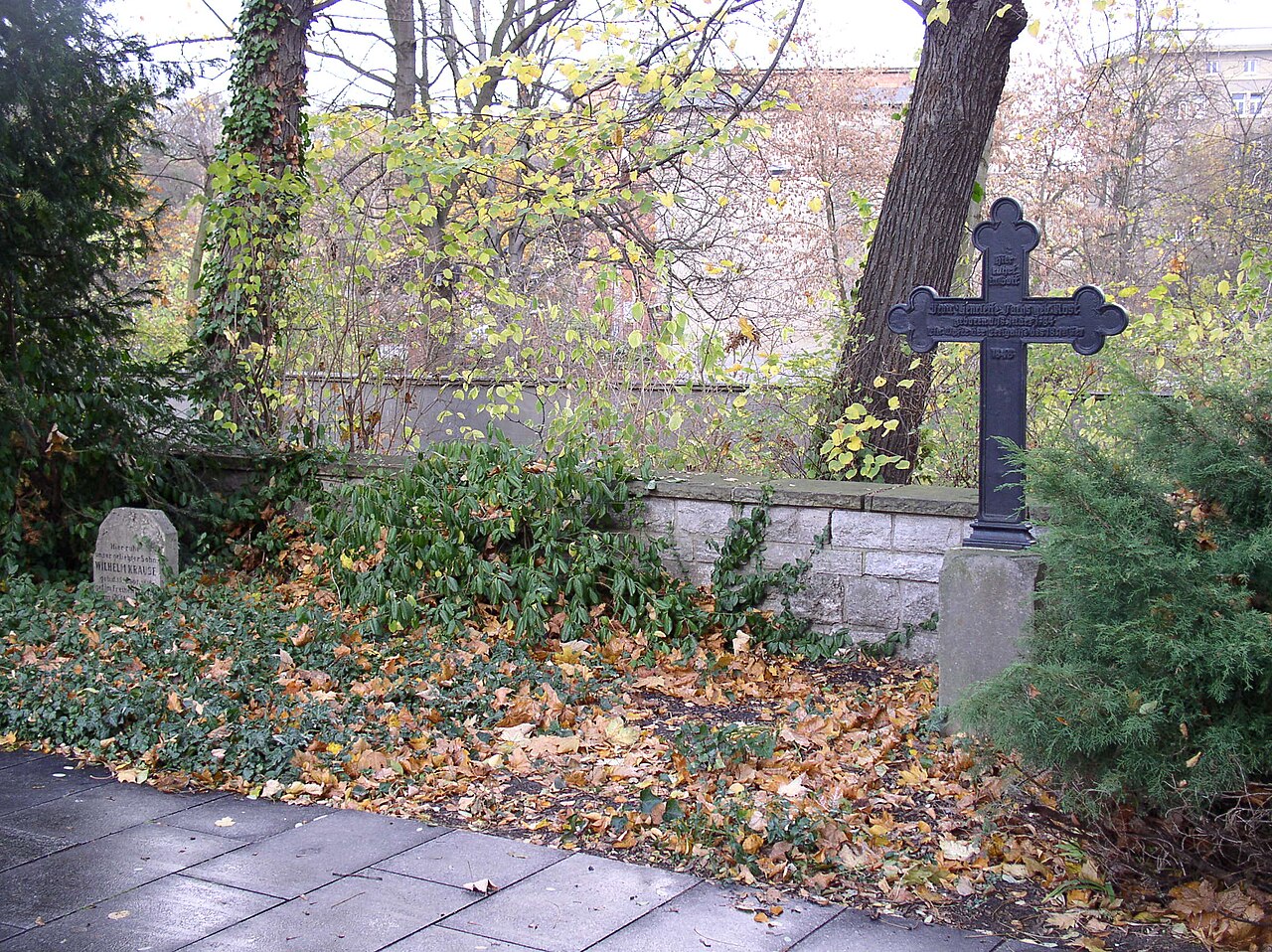
Berlin's Friedhof der Märzgefallenen: A Steadfast Beacon of Freedom and Democracy
Nestled within Berlin's verdant Friedrichshain park lies a site of profound historical significance: the Friedhof der Märzgefallenen: Berlin's Revolutionary Memorial. More than just a burial ground, this hallowed cemetery serves as a powerful memorial to the brave men and women who sacrificed their lives for freedom and democratic ideals during two pivotal moments in German history: the 1848 March Revolution and the 1918 November Revolution. Often overlooked by casual tourists, the Friedhof der Märzgefallenen offers a unique and poignant journey into Berlin's revolutionary past, illuminating the enduring struggle for popular sovereignty and basic human rights that shaped modern Germany.
From its spontaneous creation in the crucible of revolution to its sustained role as a center for political commemoration, this site stands as a testament to the resilience of democratic aspirations. Its story is one of protest, remembrance, suppression, and ultimately, the triumph of historical memory. Join us as we explore the rich legacy of the Friedhof der Märzgefallenen: Exhibitions and Events, a place where the echoes of revolution still resonate.
The Birth of a Revolutionary Cemetery: The 1848 March Revolution
The origins of the Friedhof der Märzgefallenen are deeply rooted in the tumultuous events of March 1848. Across Europe, revolutionary fervor was sweeping the continent, and Berlin was no exception. From March 16th to 19th, fierce street battles erupted between citizens demanding greater freedoms and the Prussian military. The outcome was tragic: hundreds of Berliners lost their lives fighting on the barricades.
In a remarkable act of public will and democratic assertion, the city's Burial Committee and subsequent city council decreed that a communal cemetery be established for these "March Fallen" (Märzgefallenen). The chosen location was symbolic: the highest elevation within Friedrichshain Park, a place where the sacrifices could be clearly seen and honored. From March 22, 1848, to June 17, 1849, a total of 255 victims of the revolution were interred here, transforming a serene park into a sacred revolutionary landscape. This was not merely a pragmatic decision for burial; it was a profound political statement, creating a physical manifestation of shared grief and revolutionary resolve.
A Symbol of Unity and Unfulfilled Promises
From its very inception, the Friedhof der Märzgefallenen transcended local Berlin importance. The grand funeral procession on June 4, 1848, saw nearly 100,000 Berliners march from Spittelmarkt to the cemetery, transforming a funeral into a powerful political demonstration. Mourners from other German cities, along with sympathizers from Poland and Italy, marched under their national and freedom colors, underscoring the pan-European resonance of the 1848 movements. Red and black-red-gold freedom flags, adorned with demands for basic rights and popular sovereignty, proudly declared the revolution's aspirations.
The powerful words of Ferdinand Freiligrath's revolutionary poem, "Die Toten an die Lebenden" (The Dead to the Living), echoed globally, reminding the living of the unfulfilled demands for which the Märzgefallenen had died. Donations poured in from near and far to support the families and erect a fitting memorial. This collective outpouring of grief and solidarity solidified the cemetery's role as a potent symbol of democratic hope, even as the initial revolutionary fervor began to wane and conservative forces sought to reclaim control.
From Suppression to Sustained Commemoration: The Legacy of Revolution
The post-1848 period saw a concerted effort by the ruling political powers in Berlin and Prussia to erase the memory of the March Revolution and the ideals for which the Märzgefallenen had fought. From 1849 onwards, access to the Friedhof der Märzgefallenen was restricted, and attempts were made to let the political message of the barricade fighters fade into oblivion. However, the spirit of democracy proved resilient.
Democratically-minded Berliners refused to let the memory die. Annually, on March 18th, they defied restrictions, gathering to commemorate the 1848 fallen. After a decade of persistent struggle, their determination paid off: the cemetery was reopened, and public maintenance of the memorial site was grudgingly permitted. This steadfast commitment ensured that the Friedhof der Märzgefallenen remained a vital focal point for democratic activism and remembrance.
Connecting the Revolutions: The November Fallen of 1918
The cemetery's historical significance expanded dramatically with the advent of the 1918 November Revolution. As imperial Germany collapsed and the path to a new republic was forged, fresh sacrifices were made. From November 20 to December 29, 1918, 33 "heroes and victims" of the November Revolution were also laid to rest at the Friedhof der Märzgefallenen. This act profoundly connected the two revolutionary epochs, visually demonstrating a continuous struggle for popular sovereignty and a democratic Germany. It underscored that the fight for freedom was not a singular event but an ongoing process, passed down through generations.
Major anniversaries of the March Revolution became occasions for massive public demonstrations at the site. The 25th, 50th, and subsequent centennials drew large crowds demanding political freedoms, democratic and social basic rights, and the overarching goal of popular sovereignty. On the 100th anniversary, March 18, 1948, a long-standing promise was fulfilled with the inauguration of a memorial stone for both the 1848 and 1918 victims. Its poignant inscription, "Das Denkmal habt ihr selber Euch errichtet" (You yourselves have erected this monument), perfectly captures the self-made legacy of these fighters for freedom.
Exploring the Friedhof der Märzgefallenen Today: A Place of Reflection and Education
Today, the Friedhof der Märzgefallenen is a beautifully maintained site that invites quiet contemplation and historical discovery. Designed by renowned Berlin architect Ludwig Hoffmann in 1925 and meticulously restored in 1948 (when it officially acquired its current name) and again in 1957, the cemetery blends historical reverence with natural beauty.
Visitors can explore various poignant memorials:
- Gustav von Lensky's Monument: Erected by German and Polish friends for the leader of the barricade fight in Friedrichstraße, highlighting the international solidarity of the 1848 movement.
- Borsig Workers' Memorial: An evocative remembrance column dedicated by fellow workers to their comrades who fell in the fight, speaking to the working-class origins of much of the revolutionary fervor.
- Gravestones for Jewish Fighters: Two specific gravestones honor Jewish individuals who participated in the struggles, emphasizing the diverse backgrounds of those who fought for freedom.
- The 1948 Memorial Stone: The central stone, inaugurated on the centennial, serves as a powerful focal point for collective remembrance of both revolutionary periods.
The site also features a permanent exhibition that delves deeper into the Berlin March Revolution. This exhibition is currently undergoing an overhaul, advised by a dedicated Board of Trustees, ensuring that the historical narrative remains engaging and relevant for contemporary audiences. The commitment to educational excellence and accessibility is paramount, making the Friedhof der Märzgefallenen an indispensable resource for understanding German democratic history.
Engaging with History: Events and Practical Tips for Visitors
The Friedhof der Märzgefallenen is not merely a static monument; it's a living, breathing historical site that actively engages the public through a variety of activities. The Board of Trustees, in addition to overseeing the permanent exhibition, advises on numerous public programs. These include:
- Commemorations: Regular ceremonies, especially on March 18th, honor the fallen and reaffirm the site's enduring significance.
- Lectures and Workshops: Educational programs offer in-depth insights into the revolutions, their causes, consequences, and their impact on German society.
- Concerts: Music often plays a role in commemorating historical events, providing a different dimension to reflection.
- Guided Tours: Expert-led tours offer invaluable context and stories, bringing the past to life and highlighting specific features of the cemetery. These are highly recommended for a deeper understanding of the site's rich history.
Practical Tip: Before your visit, check the official Berlin.de website or the Association of Significant Cemeteries of Europe for the latest information on opening hours, specific events, and guided tour schedules. While the cemetery itself is generally accessible during park hours, special exhibitions or events might have specific timings. It's an ideal spot for quiet reflection, a history lesson, or simply to enjoy the serene beauty of Friedrichshain Park with an added layer of historical depth.
The Friedhof der Märzgefallenen stands as a powerful testament to Berlin's enduring struggle for freedom and democracy. It reminds us that fundamental rights and popular sovereignty were hard-won, often at great personal cost. By visiting this significant historical site, you not only pay tribute to those who sacrificed for a better future but also connect with the foundational ideals that continue to shape modern Germany. It is a place of memory, education, and inspiration, keeping the legacy of the March and November Fallen alive for generations to come.